
Introduction
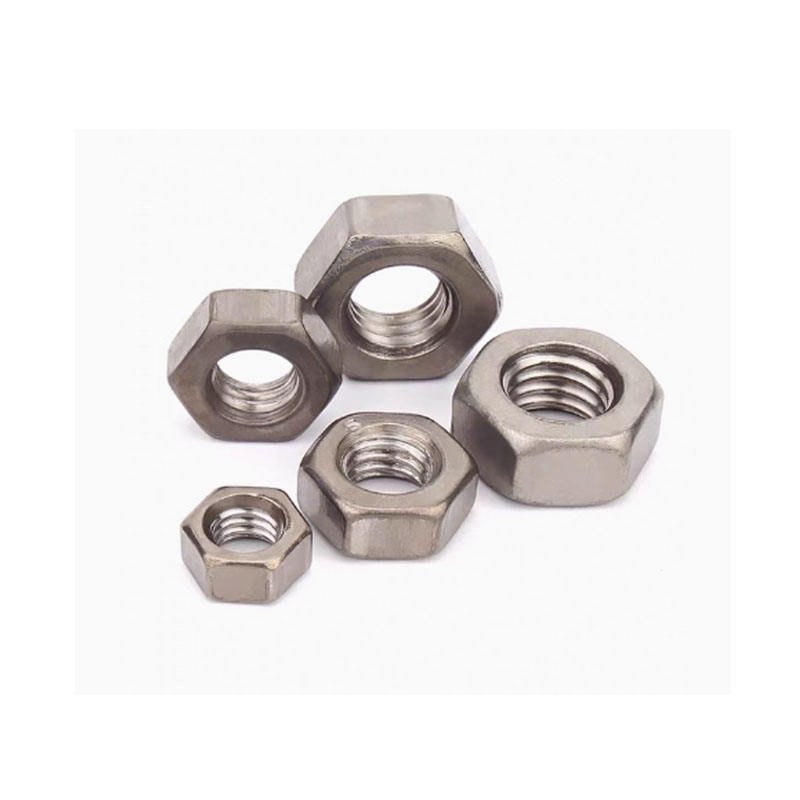
Titanium fasteners have revolutionized how engineers build reliable, high-performance systems. Among these, Grade 2 titanium hex nuts stand out for unmatched corrosion resistance, strength-to-weight ratio, and industrial versatility.
1️⃣ What Is Titanium Grade 2?
Titanium Grade 2 (commercially pure) is the most widely used titanium alloy for hardware due to its balanced mechanical properties and superior corrosion resistance. It’s lightweight yet strong, and performs exceptionally in chemical, marine, and high-humidity environments — outperforming steel and many stainless alloys.
2️⃣ Mechanical Properties That Matter
Grade 2 titanium features
High tensile strength
Good ductility
Excellent oxidation resistance — maintains integrity at elevated temperatures.
Compared to steel, titanium offers similar strength with roughly half the weight, making it perfect for weight-sensitive applications.
3️⃣ Corrosion Resistance in Extreme Conditions
One of titanium’s biggest advantages is its resistance to corrosive environments such as seawater, acidic conditions, and chloride exposure — conditions where stainless steel would fail over time.
4️⃣ Practical Applications
Marine Industry: Propellers, hull assemblies, deck hardware.
Aerospace: Structural fasteners, fuel system hardware.
Chemical Processing: Corrosion-prone environments.
Automotive & Racing: Weight-sensitive fasteners.
5️⃣ Choosing the Right Fastener
Selecting the correct hex nut involves matching thread standards (DIN/ISO/ANSI), size tolerance, and material strength ratings — ensuring assembly reliability and safety.
Conclusion
Grade 2 titanium hex nuts combine premium corrosion resistance, lighter weight, and robust mechanical properties, making them a top choice for engineers and professionals across industries. The initial cost is balanced by longevity and performance advantages.