
Get technical support and a quote
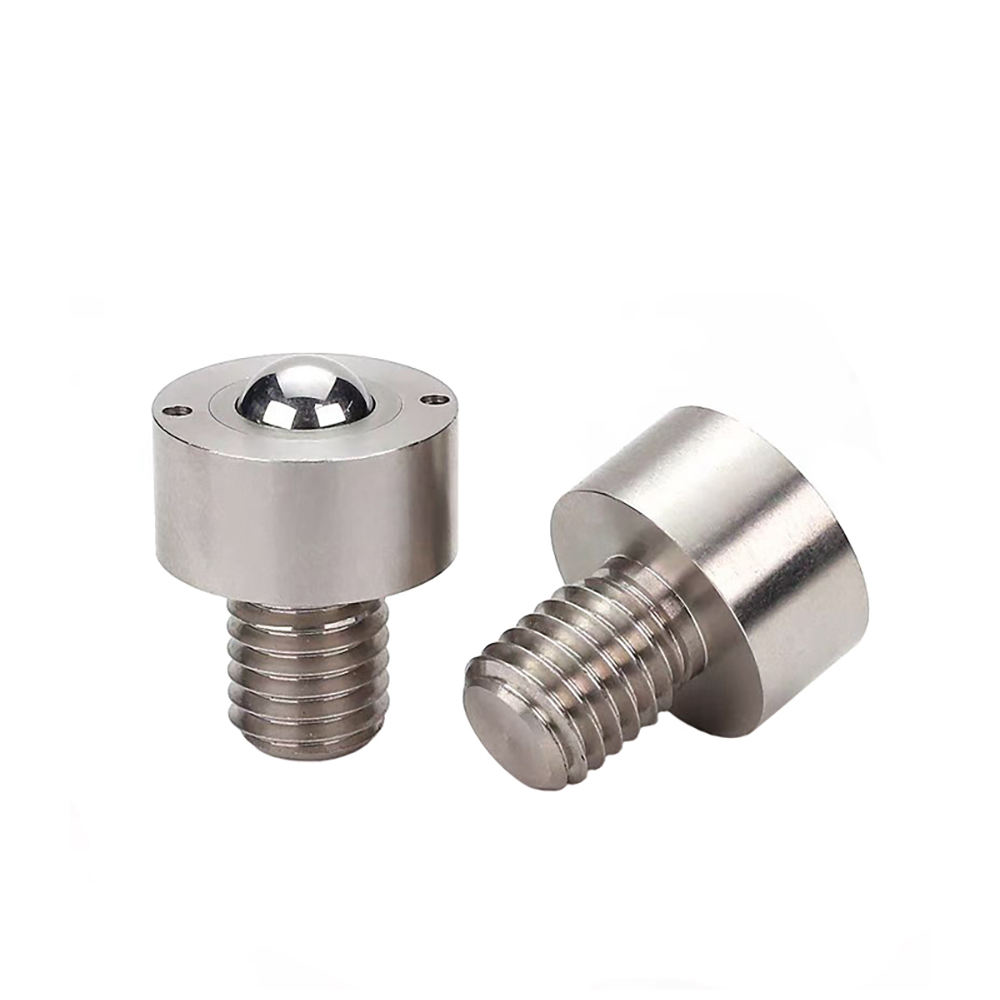
In industrial conveying and material handling systems, ball rollers play a crucial role in enabling smooth, multidirectional movement of goods. However, not all ball rollers perform equally across different industries. Environmental conditions, load requirements, hygiene standards, and operating frequency all affect which type of ball roller is most suitable.
This guide explores how stainless steel ball rollers are used across different industries, why they are often the preferred choice, and how to select the right size and specification for each application.
Why Industry-Specific Selection Matters
Choosing a ball roller solely based on size or price can lead to premature wear, excessive noise, or even system failure. Each industry presents unique challenges:
Exposure to moisture, chemicals, or dust
Continuous heavy loads
Strict hygiene or safety regulations
Demand for quiet, low-friction operation
Stainless steel ball rollers offer a versatile solution that meets these challenges across multiple sectors.
Food & Pharmaceutical Industry Applications
Key Requirements
Corrosion resistance
Easy cleaning and sanitation
Compliance with hygiene standards
In food processing and pharmaceutical conveying systems, contamination control is critical. Stainless steel ball rollers are widely used on worktables, sorting lines, and packaging conveyors because they:
Resist rust in wash-down environments
Feature smooth, burr-free surfaces that prevent residue buildup
Require minimal maintenance over long operating cycles
For these applications, M10 and M12 stainless steel ball rollers are commonly selected, as they provide sufficient load capacity while maintaining smooth and quiet operation.
Petrochemical, Oil & Power Industry Applications
Key Requirements
High load capacity
Resistance to corrosion, oil, and harsh environments
Long service life under continuous operation
In petrochemical plants and power facilities, conveying systems often operate under heavy loads and aggressive conditions. Stainless steel ball rollers are preferred because carbon steel or mixed-material rollers are prone to corrosion and deformation.
For these demanding environments:
M16 stainless steel ball rollers are suitable for heavy-duty conveying and processing equipment
M20 ball rollers are ideal for high-stress applications requiring maximum load capacity
Their all-stainless construction ensures consistent performance even in oily, humid, or semi-outdoor conditions.
Furniture Manufacturing & Home Appliance Assembly Lines
Key Requirements
Smooth material transfer
Low noise levels
Medium to light load handling
Assembly lines for furniture and home appliances rely on ball rollers to allow operators to move products easily in multiple directions. Noise reduction is especially important in these environments.
Stainless steel ball rollers offer:
Quiet operation due to precision machining
Smooth rotation with reduced friction
Long service life with minimal upkeep
M10 and M12 sizes are typically sufficient for workbenches and light conveyor systems in these industries.
Warehousing & Logistics Systems
Key Requirements
Reliable performance under repetitive use
Compatibility with modular conveying systems
Balance between load capacity and efficiency
In warehouses and distribution centers, ball rollers are often integrated into sorting tables, transfer stations, and gravity conveyors. Stainless steel ball rollers are favored for their durability and ability to handle repeated load cycles without degradation.
Depending on the weight of goods:
M12 for cartons and small packages
M16 for heavier boxes or equipment components
How to Choose the Right Size for Your Industry
Selecting the correct ball roller size is essential to prevent overloading and ensure long-term reliability.
| Ball Roller Size | Load Capacity | Typical Applications |
|---|---|---|
| M10 | 55N | Light-duty conveyors, workbenches |
| M12 | 62N | Assembly lines, furniture transmission |
| M16 | 343N | Heavy-duty conveying systems |
| M20 | 412N | Petrochemical, power industry equipment |
Tip: Always select a ball roller with a load capacity higher than your system’s maximum working load to avoid premature failure.
Why Stainless Steel Ball Rollers Are the Best Cross-Industry Solution
Across all industries, stainless steel ball rollers stand out due to their:
Excellent corrosion resistance
High tensile strength and load stability
Low noise and smooth operation
Minimal maintenance requirements
A full stainless steel construction—including the housing, main ball, and sub ball—ensures uniform performance and longer service life compared to mixed-material alternatives.
Final Thoughts
From food processing and pharmaceutical production to petrochemical plants and logistics systems, stainless steel ball rollers provide a reliable, flexible solution for industrial conveying applications. By selecting the right size and specification based on your industry’s needs, you can significantly improve efficiency, safety, and system longevity.
If you are evaluating ball rollers for a new project or upgrading an existing conveying system, stainless steel options offer long-term value you can rely on.
👉 Request a free sample or contact us for technical support and a customized quote.