
Self-Clinching Nuts vs Weld Nuts vs Tapped Holes: Which Fastening Method Is Best?
1. Overview of Common Sheet Metal Fastening Methods
Sheet metal assemblies typically use:
- Self-clinching nuts
- Weld nuts
- Tapped holes
Each method has strengths and limitations depending on application requirements.
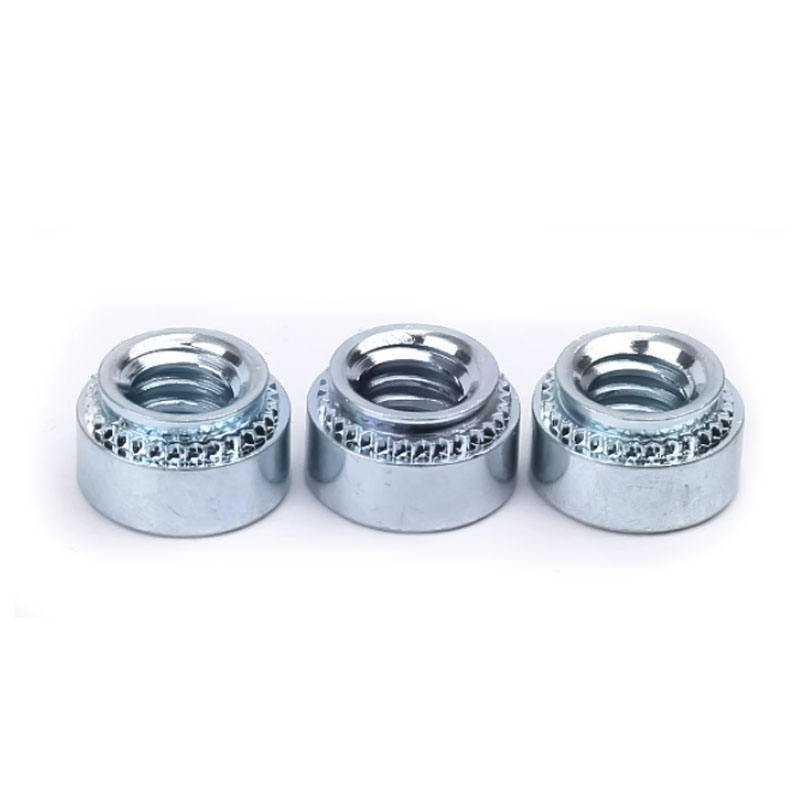
2. Technical Comparison
| Feature | Self-Clinching Nut | Weld Nut | Tapped Hole |
|---|---|---|---|
| Installation Speed | Fast | Slow | Medium |
| Heat Impact | None | High | None |
| Thread Durability | Excellent | Good | Limited |
| Thin Sheet Suitability | Excellent | Poor | Poor |
| Automation Friendly | Yes | No | Limited |
3. Why Manufacturers Are Moving Away from Weld Nuts
Weld nuts introduce:
- Heat distortion
- Inconsistent weld quality
- Higher labor cost
- Post-weld corrosion risks
Self-clinching nuts eliminate these issues entirely.
4. Best Use Cases for Each Method
- Self-Clinching Nuts: Thin sheet, mass production, clean finish
- Weld Nuts: Thick steel, low-volume production
- Tapped Holes: Thick plates, low cycle usage
Conclusion
For modern sheet metal manufacturing, self-clinching nuts — especially galvanized carbon steel SP types — provide the most reliable and scalable fastening solution.