
Introduction In the realm of high-precision mechanical engineering, the difference between a high-performance system and a failing one often lies in the smallest components. Among these, the spring ball plunger stands out as a critical element for indexing, positioning, and detent applications. Specifically, the hexagonal socket design has become the preferred choice for engineers who prioritize reliability, torque control, and spatial efficiency.
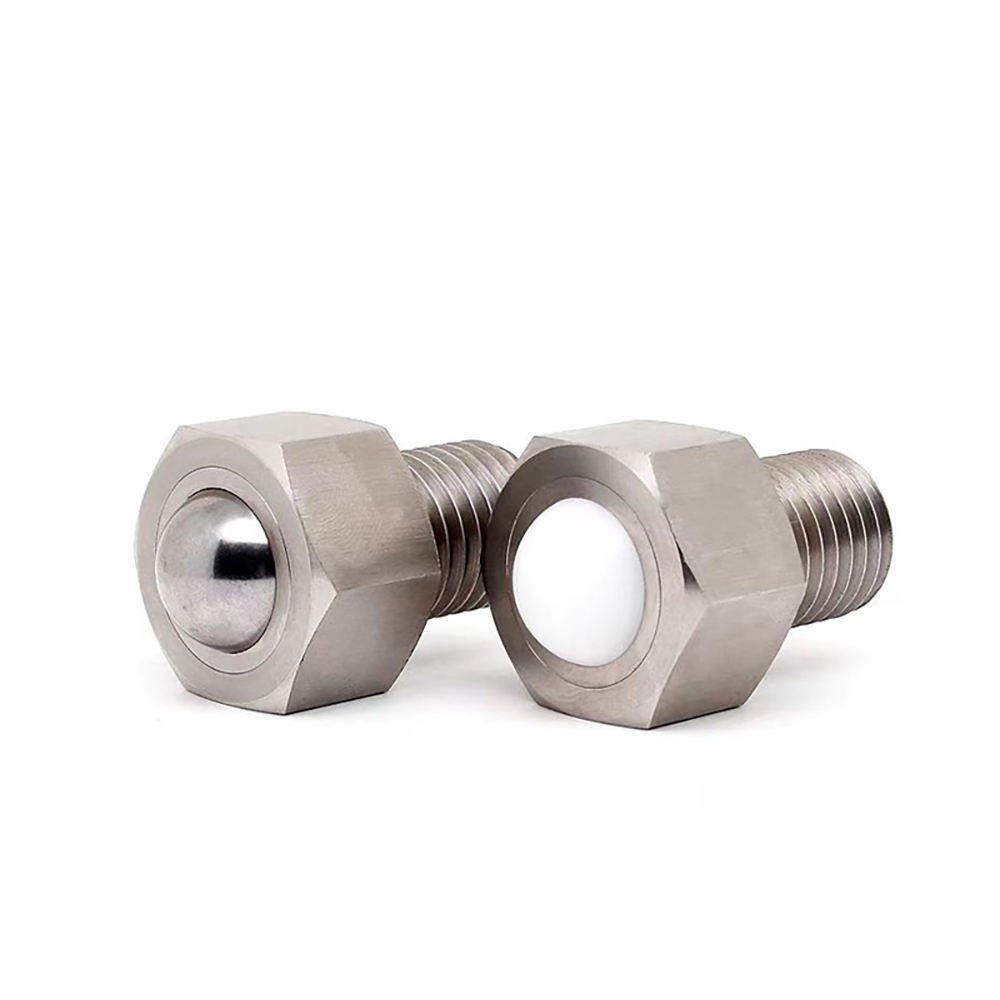
1. The Advantage of the Hexagonal Drive Unlike traditional slotted or split-end designs, the internal hexagonal (hex socket) drive offers several distinct engineering advantages:
High Torque Application: The hex geometry allows for the use of standard hex keys (Allen wrenches), enabling higher installation torque without the risk of “cam-out” or damaging the drive head.
Precision Adjustment: The secure engagement between the tool and the plunger facilitates ultra-fine depth adjustments, which is crucial for calibrating the preload of the internal spring.
Compact Integration: The recessed nature of the hex socket allows the plunger to be installed flush with or below the surface, saving valuable space in complex assemblies.
2. Material Integrity: Stainless Steel Reliability For machinery operating in demanding environments—such as medical devices, food processing, or aerospace—the choice of stainless steel for both the body and the ball is non-negotiable.
Corrosion Resistance: High-grade stainless steel ensures that the plunger remains functional in humid or chemically aggressive atmospheres.
Wear Resistance: A hardened stainless steel ball maintains its spherical integrity over millions of cycles, ensuring consistent detent force and reducing mechanical friction against the mating surface.
3. Functional Dynamics: The Science of Detent and Positioning The core utility of a spring ball plunger is its ability to provide repeatable “click-stop” positioning. By carefully calculating the spring rate—the balance between the initial force and the final force—engineers can achieve:
Consistent Tactile Feedback: Ideal for manual control knobs and indexing heads.
Reliable Quick-Release Mechanisms: Allowing for rapid tool changes or component positioning without the need for manual locking handles.
Vibration Resistance: The constant spring pressure prevents unintended movement caused by harmonic vibrations in high-speed CNC machinery.
Conclusion While often overlooked, the hexagonal spring ball plunger is a masterclass in functional simplicity. By opting for a hex-driven, stainless steel design, engineers can significantly enhance the service life and precision of their equipment.
For projects where reliability is the benchmark, choosing high-quality, standardized plungers is not just a preference—it is a technical necessity.